Feeling more tired, sleeping differently, or generally a little “off” as spring arrives? Here’s what seasonal change can do to your routine, and what cannabis consumers should consider before blaming the weather, changing products, or buying something new.
Spring gets excellent PR. You know what I'm talking about. Blossoms, warmer days, birds singing enthusiastically before you’ve had coffee, and that motivational quote your aunt posts every September about “new beginnings”.

Almost as if you’re supposed to emerge from winter glowing, energised, and suddenly interested in journaling with every sunrise, but instead, you feel like a phone at 4% that’s just been told to install a software update. Tired but wired. Sneezy, not to mention strange sleeping patterns, and then there is the moment you become slightly emotional about a tree, so what’s going on?
Why Does Your Body Feel Different in Spring?
Spring changes more than the temperature. Changes in daylight, temperature, pollen exposure and daily routines can influence our circadian rhythms, sleep patterns and how energetic we feel during the day, and if cannabis is already part of your routine, there’s another variable worth considering.
Not because cannabis is a treatment for spring fatigue, poor sleep or allergies (it isn’t that simple) but because a change in how you feel is a good reason to take another look at what you’re using and how you’re using it.
Before changing products, ask yourself five questions: "What format am I using? What cannabinoids does it contain? How much am I using? When am I using it? And how long could its effects last?"
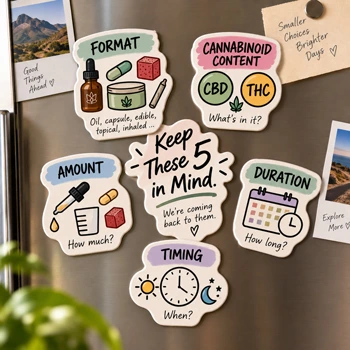
Or, if you prefer the fridge-magnet version:
Format. Cannabinoid content. Amount. Timing. Duration.
Keep those five in mind. We’re coming back to them.
Why Can You Feel More Tired in Spring?
You’d think additional sunlight would turn us all into cheerful little solar panels. Apparently, the human body did not get that memo. Some people report feeling unusually tired or sluggish when the seasons change. There’s even a wonderfully dramatic German word for it: Frühjahrsmüdigkeit, which literally means “spring tiredness”. But before diagnosing yourself with something that requires impressive German pronunciation, it’s worth knowing that “spring fatigue” isn’t a clearly defined medical condition.
What we do know is that light plays an important role in regulating our circadian rhythm. The internal clock involved in our sleep-wake cycle. When daylight patterns change, our routines can shift with them. Warmer temperatures, longer evenings and changes in activity can add to the adjustment.
Could cannabis be contributing to your tiredness?
Possibly, and particularly if cannabis is already part of your routine. This is where it becomes useful not to blame spring for absolutely everything. If a product regularly leaves you sleepy, sluggish or foggy, look at its:
- THC and CBD content
- Amount used
- Product format
- Time of use
- Expected duration
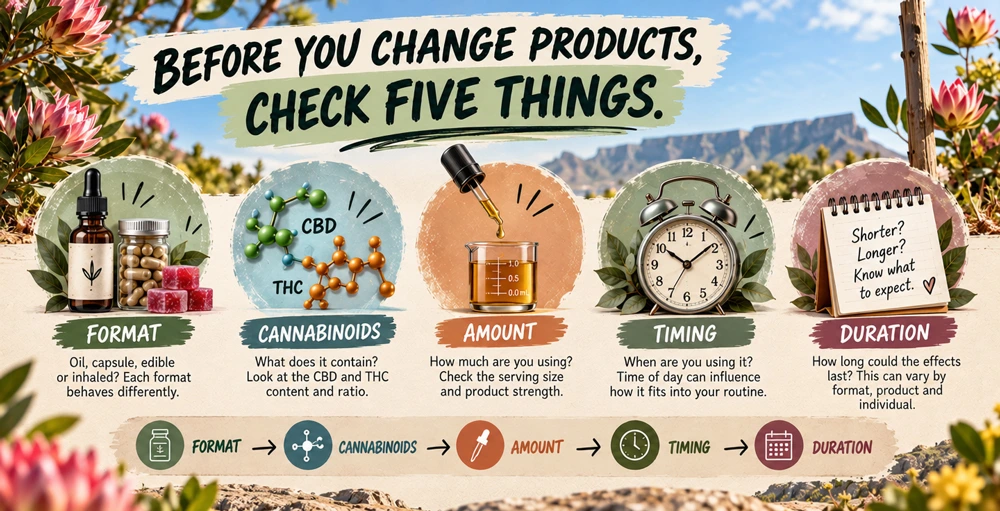
For example, an edible taken late at night can affect you very differently from an inhaled cannabis product, which usually takes effect more quickly and wears off sooner. The goal isn’t to find cannabis for spring fatigue. It’s to work out whether something you’re already using could be contributing to how you feel.
How Can Spring Affect Your Sleep?
Your body runs on an internal timer known as your circadian rhythm, and light is one of the major cues helping to keep it on track. In South Africa, we don’t move our clocks forward and backwards with the seasons. Thankfully, because finding the correct microwave time is challenging enough.
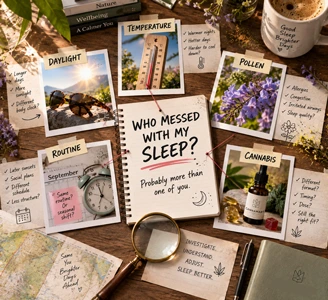
But our natural daylight still changes. Spring brings earlier light in the mornings and longer evenings. Bright light later in the day can influence the signals involved in preparing the body for sleep, while warmer evenings and changing routines may shift when you naturally start winding down.
Then add cannabis to the equation. People can respond differently to THC (tetrahydrocannabinol), CBD (cannabidiol) and other cannabinoids. Product amount, format and timing can also affect the experience.
Which is why asking: “What’s the best cannabis product for sleep?” may not actually be the best place to start. A more useful question is: “What am I using, what cannabinoids does it contain, how much am I using, when am I using it, how quickly might I notice effects and how long could those effects last?” Less catchy, but far more useful.
Read more about cannabis and sleep here.
Can Cannabis Help With Spring Allergies?

Let’s clear this one up quickly. Cannabis should not be treated as a proven remedy for seasonal allergies.
Seasonal allergic rhinitis happens when your immune system reacts to substances such as pollen and releases inflammatory chemicals, including histamine. The result can be sneezing, a runny nose, watery or itchy eyes and the annual realisation that nature is beautiful but apparently has a personal issue with your sinuses.
Allergies can also disrupt sleep and contribute to daytime tiredness. That matters because if you’re feeling exhausted, it can become difficult to tell whether the culprit is poor sleep, allergies, seasonal changes, your cannabis routine, or an unhelpful little cocktail of several things at once.
If seasonal allergies are persistent or troublesome, speak to a healthcare professional about appropriate management.
Before Changing Your Cannabis Routine, Ask What Else Changed
Imagine this. You’re suddenly sleeping badly. You decide your current cannabis product “isn’t working anymore”, buy another one, change the amount and start using it at a different time.
Meanwhile, spring arrived, your bedroom is warmer, pollen is staging a hostile takeover and you’ve started staying outside later because the sun is still up. Now we have approximately 14 variables and no idea who committed the crime. So before changing your cannabis routine, look at the bigger picture.
Has your sleep schedule shifted? Are you getting more evening light? Are allergies waking you up? Are warmer days affecting hydration or activity? Has your daily routine changed? Then look at the cannabis side. Has your product changed? Are you using more or less? Are you taking it at a different time? Have you switched formats?
Separating the variables gives you a much better starting point than shopping for something promising “sleep”, “energy” or “relaxation”.
Cannabis Oils vs Capsules vs Edibles vs Inhaled Cannabis
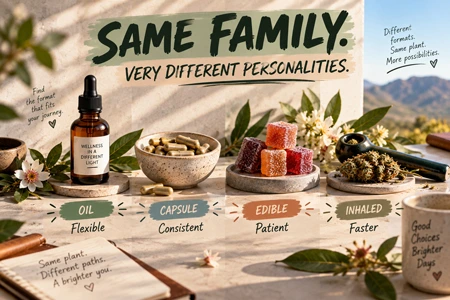
Cannabis products can sit side by side online and look relatively similar while behaving very differently once used. That’s why format matters.
Cannabis Oils
Cannabis oils can offer greater flexibility because the amount used can often be adjusted relatively easily. Don’t just look at the bottle and the lovely botanical branding. Check the total cannabinoid content, CBD and THC concentration, amount per serving and serving information. Two oils can look almost identical and contain very different cannabinoid profiles.
Cannabis Capsules
Cannabis capsules contain a predetermined amount per unit, which can appeal to consumers looking for consistency and convenience. The trade-off is flexibility. With an oil, the amount may be easier to adjust. A capsule comes with the amount already decided for you.
Cannabis Edibles
Cannabis edibles are convenient and discreet, but there is one particularly important thing consumers need to understand. Delayed does not mean ineffective. Effects may take longer to become noticeable and can potentially last longer than those from inhaled cannabis. Which means the classic “I don’t feel anything, perhaps I should have another one” approach is not a particularly clever experiment. Read the label. Understand the serving information. And give the product time.
Inhaled Cannabis Products
Inhaled cannabis products generally have a faster onset and shorter duration than orally consumed products such as capsules and edibles. They also come with different considerations, including respiratory exposure. Again, there is no universally “best” format. There is simply the question of whether you understand the format you’re choosing and how it fits into your routine.
Read more about cannabis formats here.
Frequently Asked Questions About Cannabis and Your Spring Routine
Can cannabis treat spring fatigue?
There isn’t sufficient evidence to recommend cannabis as a treatment for so-called spring fatigue. If cannabis is already part of your routine, consider whether the product’s THC or CBD content, amount, timing, format or duration could be contributing to tiredness or sluggishness.
Does CBD help with seasonal allergies?
CBD should not be treated as a proven treatment for seasonal allergies. If allergy symptoms are persistent or troublesome, speak to a healthcare professional about appropriate management.
Which cannabis format works fastest?
Inhaled cannabis generally has a faster onset than orally consumed formats such as capsules and edibles. However, onset and duration can vary according to the product, amount, individual and method of use.
What’s the difference between cannabis oils and edibles?
Cannabis oils may offer greater flexibility in the amount used, depending on the product and method of administration. Edibles generally have a delayed onset and potentially longer-lasting effects. Always check the individual product’s cannabinoid content and serving information.
What should I check before buying a cannabis product?
Check the product format, CBD and THC content, cannabinoid concentration, amount per serving, ingredients, warnings and manufacturer information. Also consider when you intend to use it and how its expected onset and duration fit into your routine.
Can spring affect your sleep in South Africa?
Yes. Although South Africa doesn’t use seasonal clock changes, natural daylight patterns still change through the year. Earlier morning light, longer evenings, warmer temperatures and changing routines can all influence sleep-wake patterns.
Should I change my cannabis product when the seasons change?
Not automatically. If you notice a change in sleep, energy or how you feel, first consider what else has changed in your environment and routine. Then review your cannabis format, cannabinoid content, amount, timing and duration before deciding whether a change is appropriate.
The Takeaway: Spring Changed. Maybe Your Routine Did Too.
Spring changes more than the view outside the window. Daylight shifts, and temperatures rise, as pollen returns with the enthusiasm of an unwanted house guest. Routines change, thus sleep can shift, and sometimes we simply feel a little different. If cannabis is already part of your lifestyle, include it in that seasonal review rather than treating it as the answer to every spring complaint.
Come back to those five questions:
Format. Cannabinoid content. Amount. Timing. Duration.
Know what you’re using. Read the label. Understand the format. Pay attention to your own response. Because responsible cannabis shopping isn’t about finding the product with the biggest promise on the box. It’s about understanding your options well enough to make a better choice.
Ready to Compare Your Options? Explore and compare cannabis oils, capsules, edibles and other cannabis formats available on Cannamart. Compare cannabinoid content, format and product information before deciding what best fits your routine.Disclaimer: This blog supports responsible cannabis use. The information contained in this article is for educational and informational purposes only and is not intended as health or medical advice. Always consult a physician or other qualified health provider regarding any questions you may have about a medical condition or health objectives.
Our latest content
Check out what's new in our company !